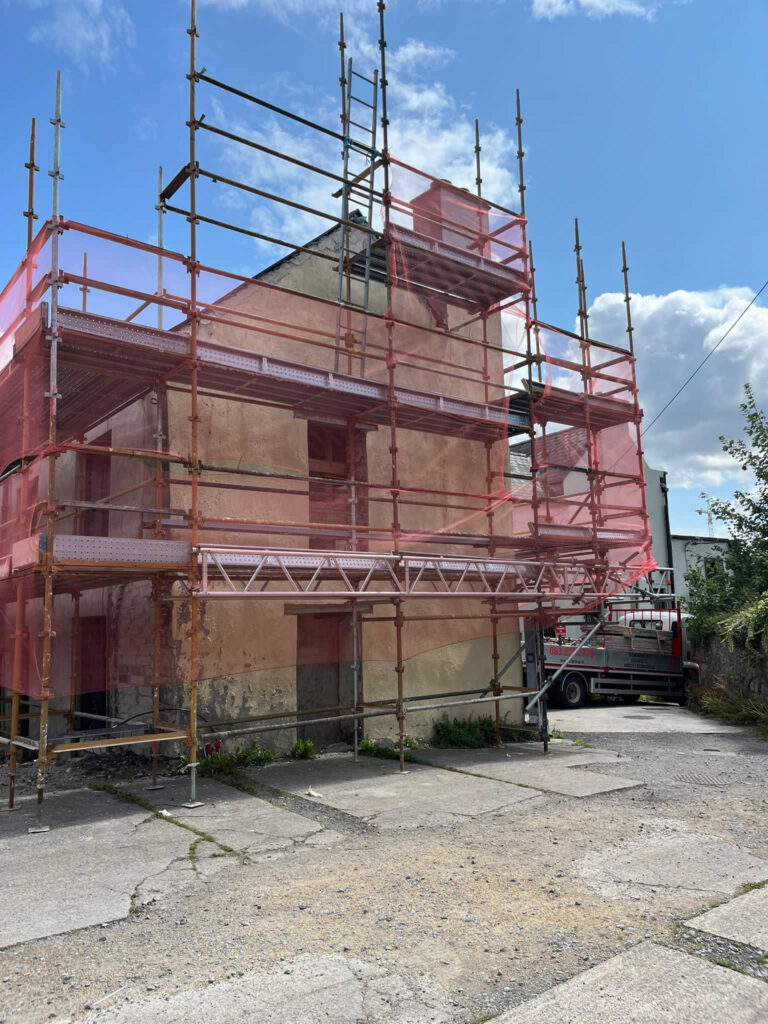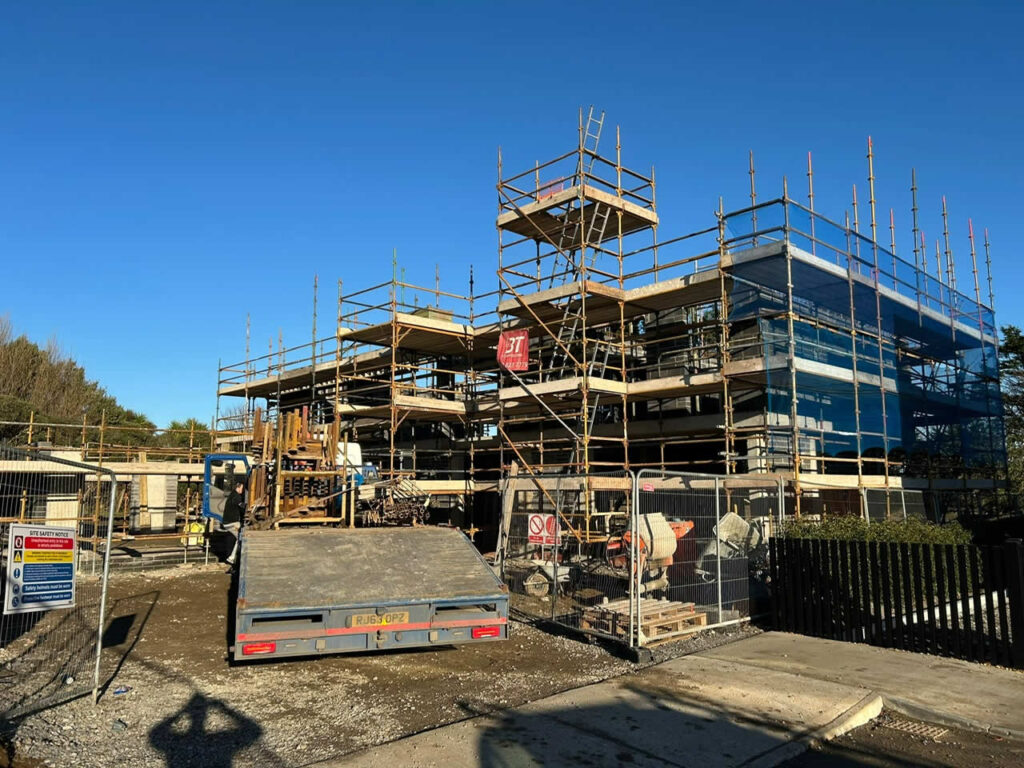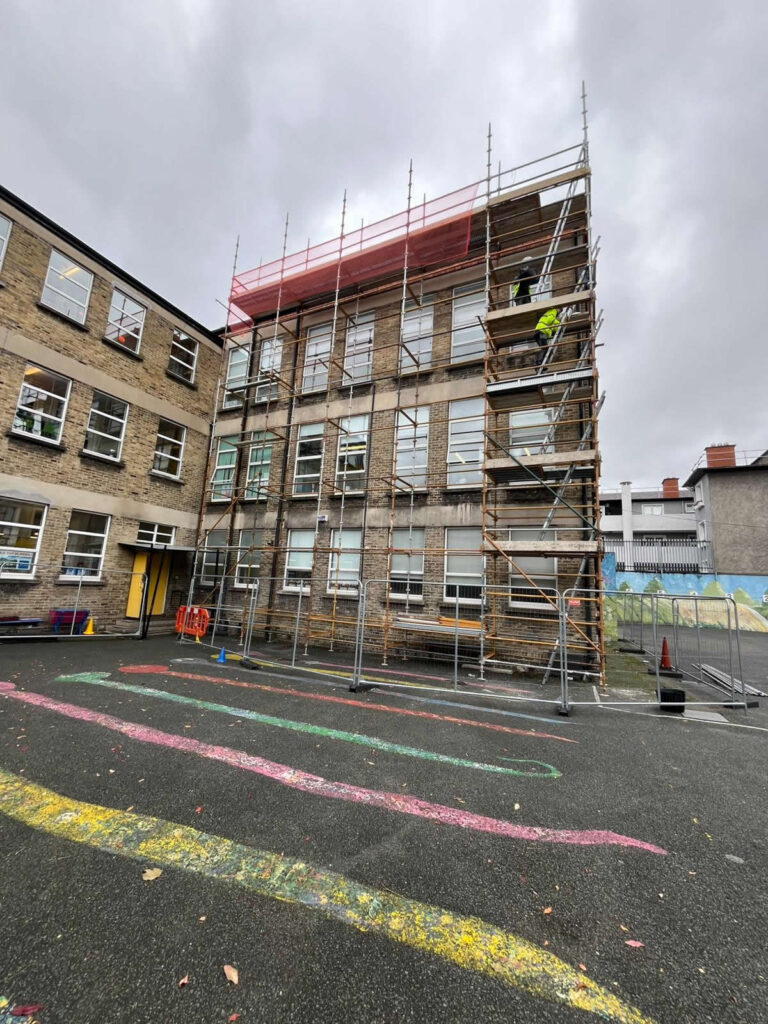
If you’ve ever walked past a building site and seen a network of metal poles and platforms surrounding the structure, you’ve seen scaffolding in action. It’s one of those things you hardly notice unless you’re in the trade — but scaffolding is what makes almost every type of construction, renovation, or repair work possible. It gives workers a safe, secure platform to reach high or awkward spaces, carry materials, and get the job done efficiently.
But here’s the thing — not all scaffolding is the same. The type used on a small house extension is nothing like the system needed for a high-rise block or bridge maintenance project. Each kind of scaffold has a purpose, a structure, and a way of keeping people safe that fits its environment. Choosing the right one isn’t just a matter of preference; it affects safety, cost, speed, and even how smoothly a project runs.
In this post, we’ll break down the most common types of scaffolding you’ll come across in the UK. You’ll see how each one works, what it’s used for, and how to decide which is best for your project — whether you’re overseeing construction, planning maintenance, or just want to understand what’s going on the next time you see a scaffold outside your window.
What Is Scaffolding?
Scaffolding is a temporary structure built to support workers and materials during construction, renovation, or maintenance work. It’s designed to provide safe access to areas that would otherwise be hard or impossible to reach. You’ll see it used on homes, offices, schools, bridges, and industrial buildings — anywhere there’s a need to work at height.
Every scaffold system has a few basic components. The standards are the vertical tubes that carry the main weight of the scaffold. Ledgers run horizontally between the standards to hold everything together. Putlogs connect the scaffold to the wall for extra stability, while base plates spread the load at ground level. Then there are planks or boards, which form the working platform, and guardrails that prevent falls.
You’ll need scaffolding for all sorts of work — from painting and roofing to cladding, bricklaying, and cleaning. Domestic scaffolding tends to be smaller, with simpler access needs, while commercial and industrial scaffolds can be far more complex, designed to reach large heights and cover unusual shapes. Whatever the scale, the goal is the same: create a safe, stable working area that keeps people protected while they work.
How Types of Scaffolding Are Categorised
You can group scaffolding in several ways depending on what you’re looking for. The first is by function — is it fixed in place, or can it move? Fixed scaffolding is anchored to the building or the ground, while mobile scaffolds are designed to be repositioned as work progresses.
Then there’s the structure itself. Some scaffolds are supported, meaning they stand from the ground up, while others are suspended from above or cantilevered out from a building when space underneath is limited. Each has its place depending on the shape and restrictions of the job site.
Finally, scaffolding can also be grouped by system type. You might have traditional tube and clamp scaffolding, built piece by piece, or modular systems like Cuplock and Ringlock, which use pre-fabricated components that slot together more quickly.
Understanding these categories helps you plan more efficiently. It’s not just about what will fit; it’s about what will keep workers safe, comply with regulations, and make the job run smoothly from start to finish.
Common Types of Scaffolding and Their Uses
Now let’s look at the scaffolding types you’re most likely to see — how each one works, what it’s used for, and where it shines.
Supported Scaffolding
Supported scaffolding is the most common type you’ll find on construction sites. It’s built from the ground up, with vertical standards connected by ledgers and transoms to create multiple levels of working platforms. The design is straightforward, adaptable, and suitable for everything from bricklaying to exterior painting.
One of the biggest benefits of supported scaffolding is its stability. Because it rests on the ground, it can carry heavier loads, making it ideal for masonry work where materials need to be close at hand. It’s also relatively simple to erect and dismantle, which helps save time and labour costs.
However, supported scaffolds need solid, level ground to stand on. If the surface is uneven or soft, base plates or sole boards are needed to distribute the weight safely. It’s a versatile system — but only as safe as the surface it stands on.
Suspended Scaffolding
Suspended scaffolding is quite different. Instead of being built from the ground, it’s hung from the top of a structure using ropes, wires, or chains. You’ll often see it on high-rise buildings, especially for maintenance, window cleaning, and exterior repairs.
Because suspended scaffolds can be raised or lowered, they’re perfect for working on tall structures where building a traditional scaffold would be impractical or too expensive. They offer great flexibility and save space on the ground.
The downside is that they require skilled setup and careful monitoring. All suspension points must be strong enough to carry the load, and workers need proper harnesses and fall protection. When used correctly, though, suspended scaffolds are efficient, safe, and ideal for vertical access on large buildings.
Double (Mason’s) Scaffolding
Double scaffolding, sometimes called mason’s scaffolding, is mainly used for stone masonry work. Since stone walls don’t allow putlogs to be inserted easily, a second row of standards is added for extra support. This creates a stronger, self-supporting frame that doesn’t rely on the building itself for stability.
The structure usually includes ledgers and braces connecting both rows, forming a solid, load-bearing setup. You’ll see this type of scaffolding on restoration projects, heritage buildings, or any job where the wall can’t be used as an anchor.
It’s slightly more time-consuming to erect, but the added safety and reliability make it well worth it. For projects involving stone or uneven surfaces, double scaffolding is one of the safest and most practical solutions available.
Cantilever (Needle) Scaffolding
Cantilever scaffolding, also known as needle scaffolding, is used when the ground directly below the work area can’t be used to support a standard scaffold. This might be due to obstacles, traffic, or fragile surfaces. Instead of being built from the ground, the scaffold platform is supported by a series of horizontal “needles” that extend out from the building at floor level or higher.
This setup is common in areas like busy streets or narrow alleys, where space is limited. It’s also used when upper floors need work without blocking lower levels or walkways.
Cantilever scaffolds must be carefully designed and installed because the load is transferred through the projecting supports rather than the ground. When done properly, though, they’re an excellent solution for challenging environments.
Mobile (Rolling) Scaffolding
As the name suggests, mobile scaffolding is built on wheels or casters so it can be moved easily from one place to another. It’s a favourite for jobs that require frequent repositioning, like painting, electrical work, or indoor maintenance.
The main advantage here is flexibility. Instead of taking down and rebuilding scaffolds every few metres, you can simply unlock the brakes and roll the entire structure to the next spot. It’s efficient and time-saving — especially for lighter, short-duration tasks.
That said, mobility introduces new safety considerations. Brakes must always be locked during use, and the surface must be level and stable. Workers also need to ensure the scaffold is clear of obstacles before moving it. When handled correctly, mobile scaffolds are a smart, practical choice for flexible workspaces.
Modular (System) Scaffolding
Modular scaffolding, often known as system scaffolding, represents the modern side of construction access. Instead of building from loose tubes and clamps, this system uses pre-fabricated parts that lock together using unique connection points. The two best-known types are Cuplock and Ringlock systems.
These modular setups are quick to assemble and ideal for projects that need large, repetitive structures such as industrial plants, commercial buildings, or shipyards. Because the components are designed to fit precisely, they offer exceptional strength and consistency while reducing labour time.
The precision design also means fewer loose fittings and faster inspections. The main limitation is that modular systems can be more expensive upfront, but the time saved during assembly and dismantling often balances the cost. They’re a perfect example of how modern engineering is making scaffolding safer and more efficient.
Selecting the Right Type of Scaffolding for Your Project
With so many options available, it can be tricky to know which type of scaffolding suits your project best. The right choice depends on several factors — the building design, height, surface conditions, accessibility, and how long the scaffold will be in use.
Start by thinking about access and space. If you’re working on a small home extension or roof repair, supported scaffolding or a modular system might be ideal. For tall commercial buildings or tower blocks, suspended scaffolding gives better reach and flexibility. When you’re working over busy streets or uneven ground, a cantilever design could be the safest option.
You should also consider load capacity. Some scaffolds can handle heavy materials, while others are designed mainly for worker access. Always choose a system rated for the job’s demands — never try to cut costs by using lighter equipment for heavier tasks.
And that brings us to an important point: budget shouldn’t be your only concern. Safety always comes first. A cheaper scaffold that isn’t fit for purpose can lead to delays, damage, or worse — injury. Working with a qualified scaffolding company ensures everything is designed, erected, and inspected according to UK safety regulations. They’ll advise on the best type for your situation and ensure you stay compliant with health and safety standards.
Safety and Best Practices Across All Types
Regardless of the system you use, the golden rule with scaffolding is simple: safety comes first. Every scaffold, from a small tower to a full wrap-around structure, should be inspected regularly by a competent person — someone trained and experienced enough to spot potential problems before they cause harm.
Daily checks are essential, especially after bad weather or if the scaffold has been altered. Inspections should cover all the basics — secure guardrails, properly supported platforms, stable bases, and correctly fitted ties.
Common mistakes include removing ties too early, overloading platforms, or skipping inspections because the scaffold “looks fine.” These errors can lead to collapses, slips, or falls. Building a strong safety culture means encouraging everyone on site to speak up if they notice an issue. A safe scaffold doesn’t just protect workers — it protects the whole project.
Our Final Say
Scaffolding is the backbone of construction. It allows people to reach new heights, work safely, and complete projects efficiently. But as you’ve seen, not all scaffolds are created equal. From the solid reliability of supported scaffolding to the flexibility of suspended systems, the space-saving design of cantilever scaffolds, and the modern efficiency of modular setups — each has its role.
Choosing the right scaffold isn’t just about convenience. It’s about protecting lives, maintaining quality, and ensuring every stage of a build runs smoothly. When you work with a professional scaffolding company, you get more than equipment — you get knowledge, expertise, and peace of mind that every bolt and board is exactly where it should be.
So next time you see scaffolding rise around a building, you’ll know just how much thought, design, and safety planning goes into making it happen. And if you’re planning a project of your own, take the time to understand your options and choose the system that fits — because the right scaffolding doesn’t just support your structure, it supports your success.