Specialist Access for Telecoms & Mobile Infrastructure
- New Installations, Upgrades & Maintenance
- Transmitter Masts, Telecom Towers & 5G Sites
- Safety-Led Access with Site-Specific RAMS

Specialist Access for Telecoms & Mobile Infrastructure
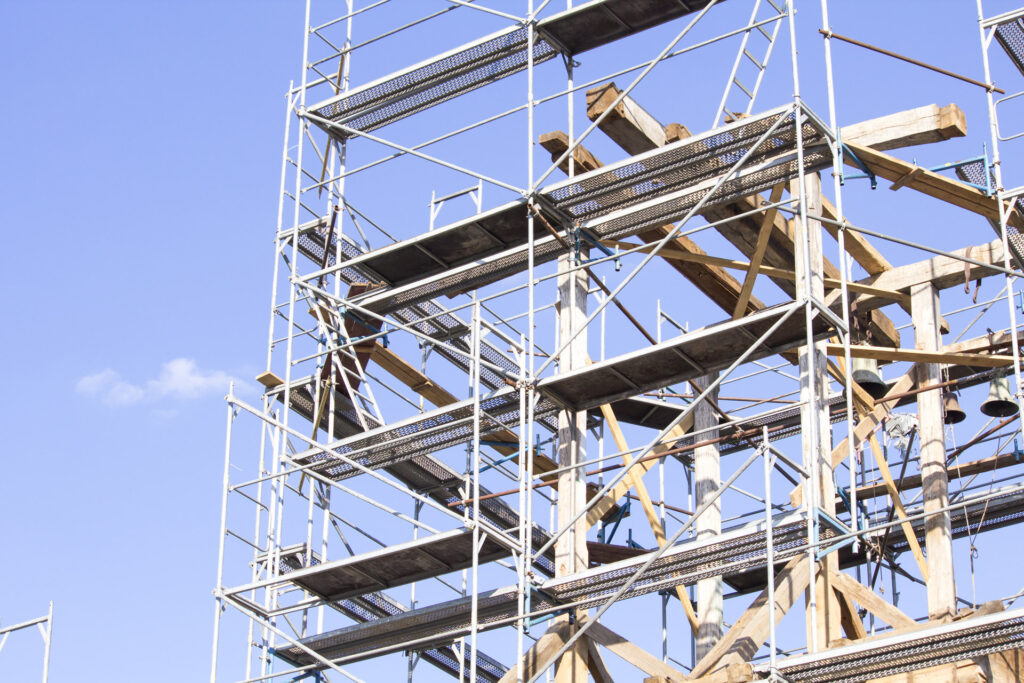
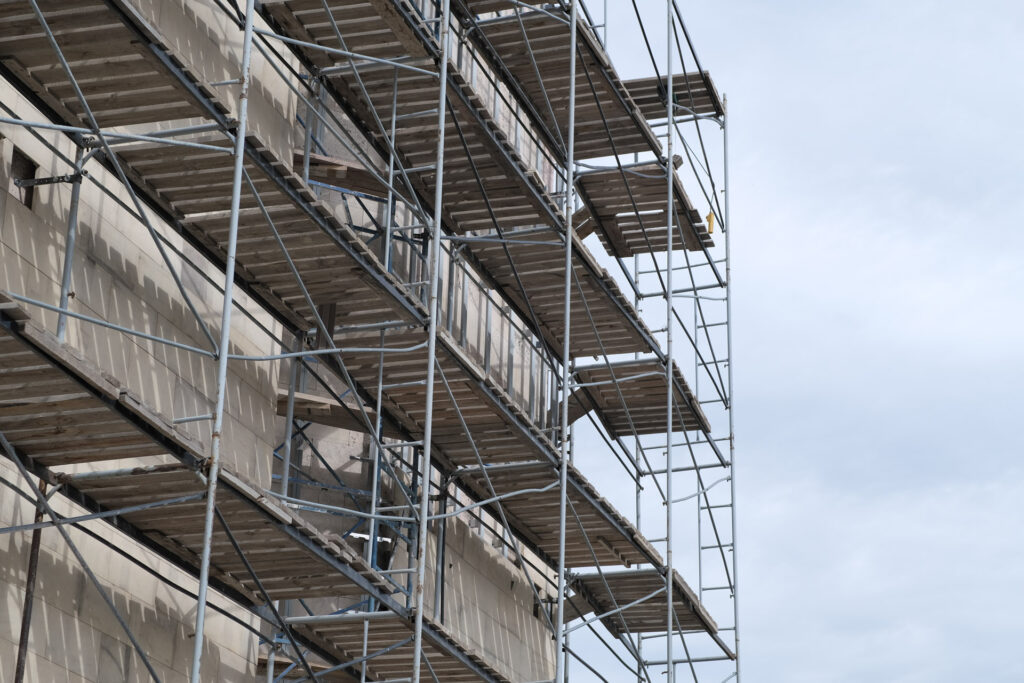
Accessing telecommunications infrastructure presents challenges that are very different from ordinary building work. BT Scaffolding provides purpose-planned scaffolding for telecom towers, transmitter masts, mobile communication sites and associated network infrastructure, giving engineers and contractors a stable working platform where conventional access is unsuitable.
Our scaffolding can support new telecom installations, antenna and equipment upgrades, planned maintenance programmes and repair work. Every site has its own restrictions, from confined compounds and uneven ground to sensitive equipment, public access and narrow working windows. We assess those conditions before deciding how the scaffold should be configured.
Whether access is required for a scheduled 5G upgrade or an urgent fault, our aim is to create a practical system around the work rather than forcing the work around the scaffold. Access routes, platform positions, loading requirements and surrounding site activity can all be considered as part of the planning process so the structure is appropriate for the task from the outset.
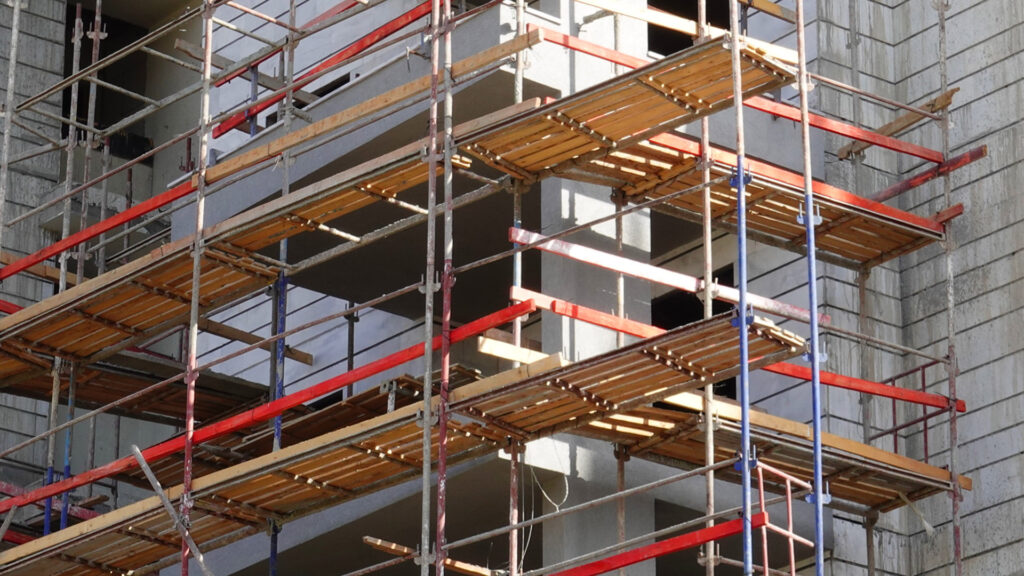

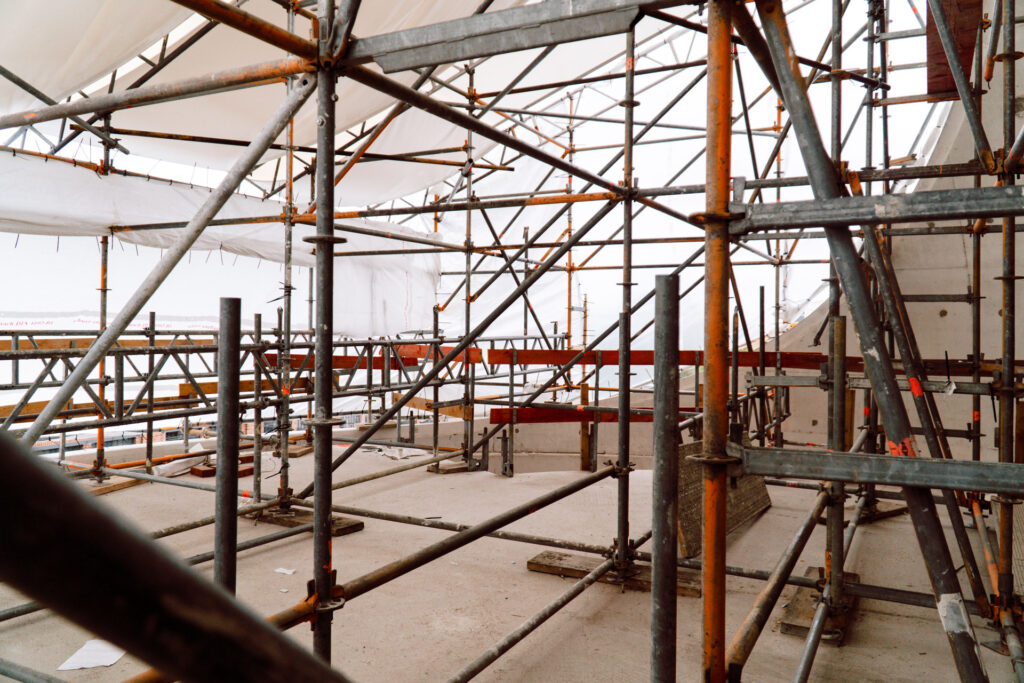

Telecom infrastructure can involve exposed locations, considerable working heights and sites that remain operational while work takes place. That makes preparation just as important as the physical scaffold. We approach access planning with attention to the work sequence, people on site, surrounding property and the conditions the scaffold may be exposed to during the project.
Where a live telecommunications site introduces additional operational restrictions, our scaffold planning can be coordinated with the principal contractor, site manager or network team. This allows access requirements, working windows and site controls to be understood before erection begins.
A telecoms site can require temporary access at several stages of its working life. Some projects are planned months ahead as part of a network rollout, while others need a rapid response because equipment has failed or infrastructure has been damaged. We can configure scaffolding around the specific work area so engineers have dependable access at the required height.
New telecommunications infrastructure may require access during the installation of mast equipment, antennas, cabling and supporting components. A planned scaffold can provide working levels at the positions engineers need while leaving suitable routes for tools and equipment.
Mobile networks continue to evolve, which can mean replacing antennas, adding equipment or modifying existing installations. Scaffolding can be built around established telecom structures to support engineers during upgrade and expansion programmes.
Routine inspections and maintenance may require prolonged access to sections of a transmitter mast or tower. Providing a stable working platform can make repetitive tasks, component replacement and detailed inspection more practical than relying on short-duration access methods alone.
Replacing antennas, dishes, mounting equipment, feeder systems or associated hardware can require access to precise locations around a structure. Scaffold lifts and working platforms can be positioned with the planned work area in mind.
Storm damage, equipment faults and unexpected structural issues do not always fit a planned maintenance programme. Where temporary access is required urgently, an appropriate scaffold can help engineers reach the affected area so assessment and repair work can proceed safely.
From planned network improvements to time-sensitive call-outs, the access arrangement should reflect the tower, equipment and work programme rather than using a standard scaffold configuration for every telecommunications site.
Telecommunications sites vary enormously. A ground-based monopole in an enclosed compound may need a completely different solution from equipment mounted above an existing building or infrastructure positioned where the base of the structure cannot be surrounded conventionally. We can assess the available footprint and develop an access arrangement around those constraints.
The right arrangement depends on more than height. Working clearances, loading, access gates, nearby equipment, maintenance requirements and how long the scaffold will remain in place all influence the final configuration.
Telecommunications scaffolding starts with understanding exactly what the engineers need to reach. Before the scaffold arrangement is decided, the site should be considered as a whole: tower dimensions, equipment positions, ground conditions, access routes, adjacent structures and the activities continuing around the compound. A thorough survey gives the project team the information needed to develop an access solution around the real conditions on site.
The next stage is planning how the scaffold will be erected, used and eventually removed. Site-specific RAMS can set out the hazards identified, control measures, erection sequence and working methods. Where the telecoms environment imposes additional restrictions, these can be incorporated into the planning with the relevant site representatives. This may include designated exclusion areas, restricted working periods, traffic or pedestrian controls and coordination around operational equipment.
Once on site, scaffold quality depends on disciplined erection and attention to the intended use of every working level. Platforms, access points, edge protection and the overall scaffold arrangement need to correspond with the agreed work scope. Following completion, the scaffold should be checked and appropriately handed over before engineers begin using it, with inspections and any required alterations managed throughout the project.
Telecommunication networks cannot always wait for convenient circumstances. Planned upgrades may have narrow programme windows, while emergency repairs can demand access at short notice. BT Scaffolding provides services seven days a week, including nights, and offers emergency scaffolding support. Whether the requirement involves a 5G tower, transmitter mast, data communications structure or mobile network installation, contact us to discuss the access challenge and the programme you are working to.