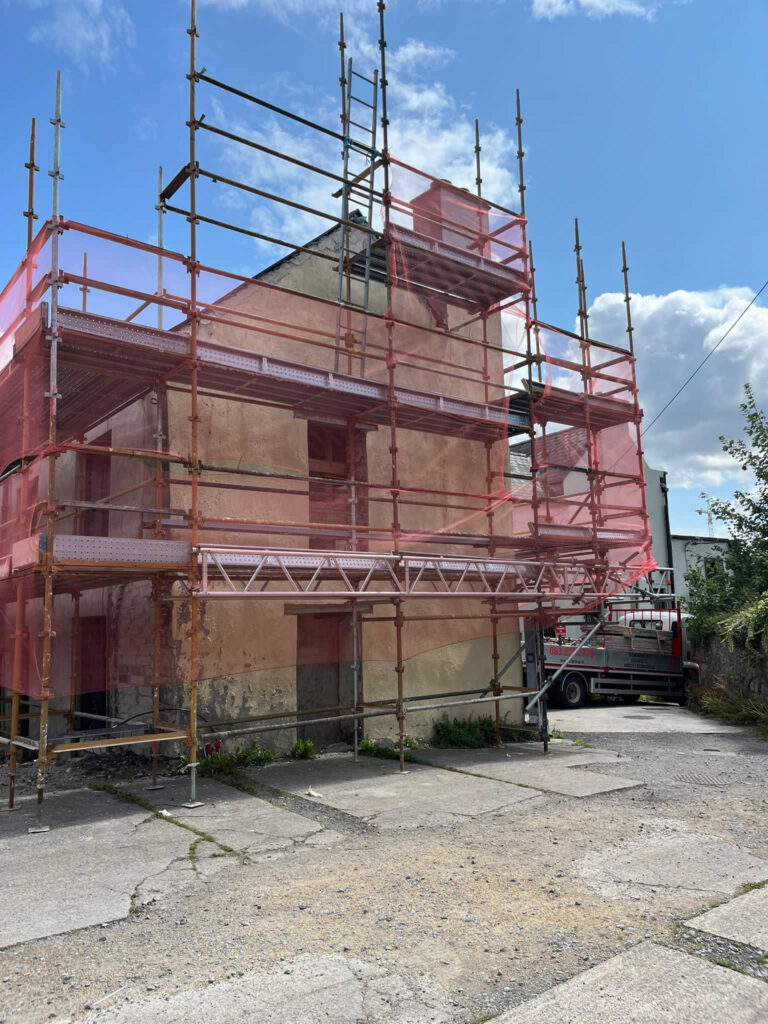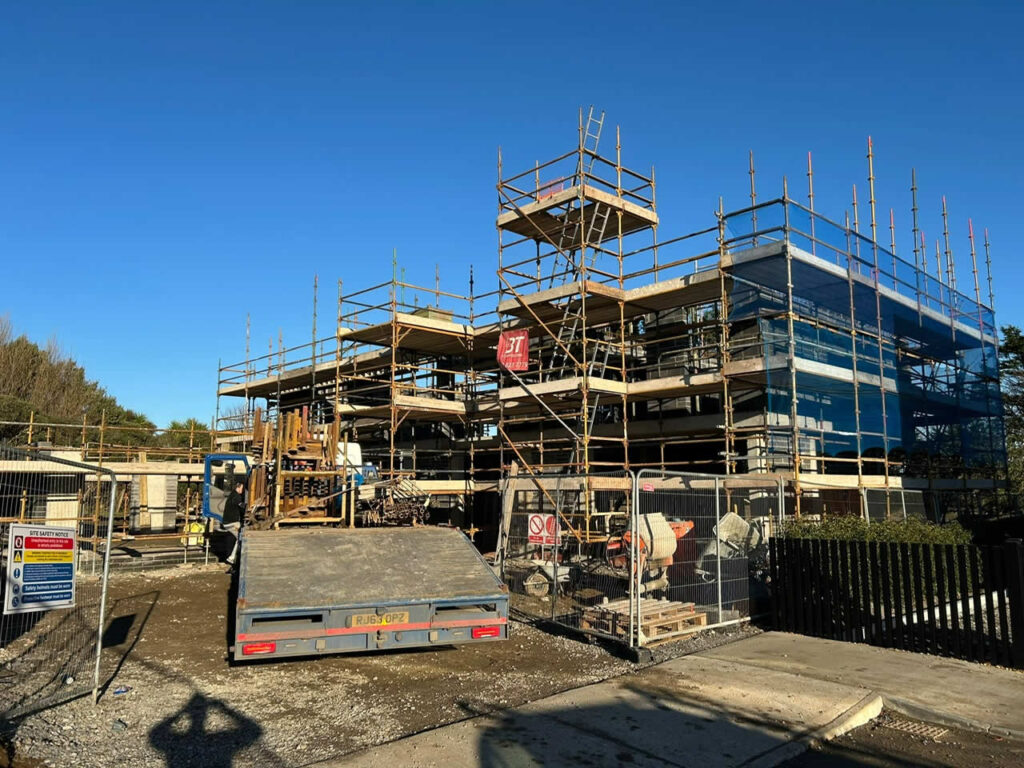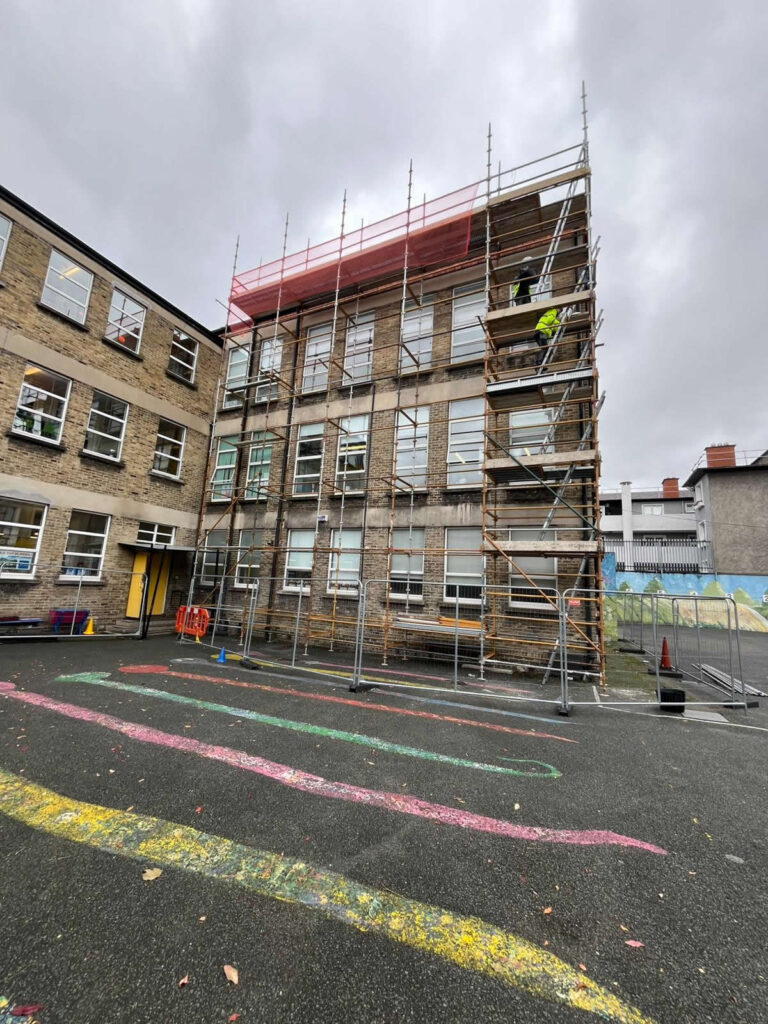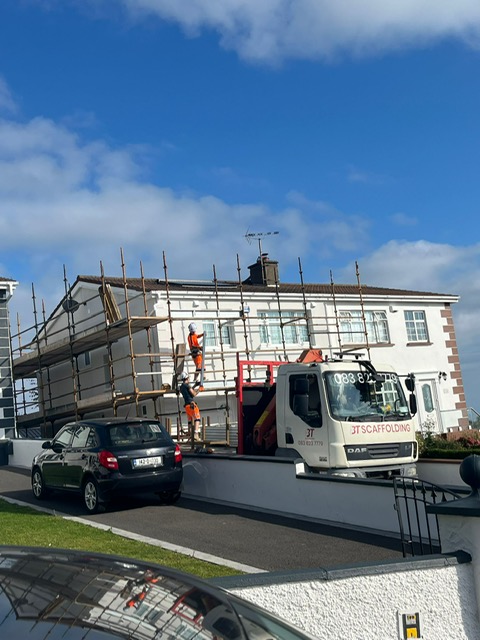
When you’re working on scaffolding, you’re trusting that structure with your safety — and often your life. It’s easy to think of scaffolding as just another part of the job, but it’s one of the most critical aspects of construction safety. Every bolt, board, and brace plays a role in keeping you secure while you work at height. When something goes wrong, the consequences can be life-changing.
Scaffolding hazards don’t just affect workers. They impact productivity, project timelines, and peace of mind. Accidents caused by poor setup or misuse can lead to serious injuries, costly delays, or even worse. That’s why understanding the risks — and how to prevent them — isn’t just good practice, it’s essential.
In this guide, you’ll learn about the main hazards that come with working on scaffolding, how they develop, and what you can do to avoid them. You’ll see how proper planning, inspection, and awareness make all the difference between a safe working day and a dangerous one.
Identifying the Major Hazards
Falls from Height
The biggest and most well-known danger on scaffolding is falling. Falls are responsible for the majority of serious injuries and fatalities in construction. They usually happen when guard-rails are missing, boards are loose, or someone loses their balance while working at height.
You might think you’d notice a risky setup, but many falls occur because people become comfortable or rush through work. Sometimes it’s as simple as reaching too far for a tool or stepping onto an unsecured platform. Even a short drop can cause serious harm when you’re off the ground.
Falls are preventable when safety features are installed correctly — things like guard-rails, toe-boards, and harness points. Always check before climbing up. The best habit you can build is to treat every scaffold as if it needs inspecting, even when it looks fine.
Structural Failure or Collapse
A scaffold collapse is one of the most catastrophic events that can happen on site. When a structure gives way, it can take down workers, tools, and materials in seconds. These failures usually start with small oversights — an unstable foundation, missing tie-ins, or overloaded platforms.
If the ground beneath the scaffold isn’t solid or level, it can shift over time. Overloading is another common cause — when too much weight is placed on one section, it creates strain that spreads through the entire frame. Poorly fitted bracing or weak joints can also lead to sudden collapse.
To avoid this, make sure every scaffold is built on a firm base and securely tied into the structure it supports. Always follow the manufacturer’s loading limits and never stack materials in one place. Regular inspections are the key to catching small issues before they become dangerous.
Falling Objects and Debris
Even if you’re not the one on the scaffold, you could still be at risk. Falling tools, materials, or debris are a major hazard for anyone working or walking below. A small object dropped from height can cause serious injury on impact.
Falling debris usually happens when platforms are cluttered, toe-boards are missing, or objects aren’t secured. Sometimes wind or vibration from nearby machinery can shake items loose. It’s easy to underestimate how easily something can slip through a small gap.
Keeping platforms tidy is one of the simplest ways to prevent this. Use tool lanyards, mesh guards, and debris netting wherever possible. If people need to pass underneath, make sure protective barriers or exclusion zones are in place.
Adverse Weather and Environmental Conditions
Weather plays a big part in scaffolding safety. Wind, rain, snow, and ice can all turn a stable structure into a hazard. Wet boards become slippery, while high winds can create sudden movements that throw workers off balance or shift materials unexpectedly.
In colder months, frost and ice can build up overnight, making the morning climb especially dangerous. Heavy rain may also soften the ground underfoot, affecting scaffold stability.
Always check weather forecasts and plan ahead. If conditions become unsafe — like during storms or strong gusts — stop work immediately. You can’t control the weather, but you can control when and how you work in it.
Electrocution and Proximity to Power Lines
Working near live electricity adds another level of risk. Scaffolding built too close to overhead power lines or electrical systems can become a direct hazard if metal components make contact. Electricity doesn’t need physical touch — sometimes proximity alone is enough for an arc to form.
Before setting up, always assess the area for power sources. De-energise nearby lines if possible, or maintain a safe distance as outlined by safety regulations. Non-conductive materials can be used in certain areas to reduce the risk.
Never assume a line is inactive. Confirm it. And remember, once the scaffold is in place, conditions can change — cables can sag, or new lines might be installed nearby. Keep monitoring throughout the project.
Poor Training, Incorrect Use and Unauthorised Modifications
Even the best scaffold becomes unsafe if it’s used the wrong way. Many accidents happen because workers aren’t trained properly or make adjustments without permission. Removing braces, shifting boards, or overreaching are small actions that can cause big problems.
Scaffolding is designed to specific load limits and configurations. Altering it without understanding the structure can weaken it instantly. Training ensures every person on site knows how to use it safely, from erecting and dismantling to working securely at height.
If something doesn’t look right, never fix it yourself unless you’re trained to do so. Report it, wait, and let a competent person handle it. That decision could save a life.
How These Hazards Develop in Real Work Scenarios
Inadequate Site Preparation and Foundation Instability
Every scaffold relies on its base. If the ground isn’t level, firm, or properly prepared, you’re building on instability. Soft soil, loose gravel, or hidden drainage can all shift under pressure, causing the structure to lean or collapse.
Before any scaffold goes up, the site should be checked for hazards, graded, and reinforced if needed. Using base plates and sole boards helps distribute weight evenly and prevents sinking. The time you spend on preparation will always pay off in stability.
Improper Design or Unsupported Load Situations
Another common problem comes from using the wrong scaffold for the job or exceeding its load capacity. Each system has a limit — go beyond it, and you risk failure.
If heavy materials are stacked on platforms not rated for that weight, the stress builds up quietly until something gives. The same happens when workers crowd onto the same section or when braces aren’t positioned correctly.
Stick to the design plan and respect the manufacturer’s guidance. If the load changes mid-project, reassess the structure before carrying on.
Insufficient Safety Features and Protection
Guard-rails, toe-boards, and access ladders aren’t optional — they’re vital. Missing or poorly fitted safety features are a common cause of falls and dropped objects. Sometimes they’re removed temporarily “to make space” and never replaced.
Before climbing up, do a visual check. Are the rails secure? Are the boards stable? Is there a clear path to climb safely? Taking a minute to check can prevent hours of regret later.
Lack of Inspection, Maintenance and Monitoring
A scaffold that was safe yesterday might not be safe today. Regular inspections are what keep it that way. Weather, vibration, and general use can loosen fittings or cause wear that isn’t obvious until it’s too late.
A competent person should inspect scaffolds daily, after any modification, and following bad weather. If something’s damaged, repair it before anyone climbs back up. Small checks keep small problems from becoming fatal ones.
External Factors: Weather, Materials, Human Behaviour
Sometimes the danger doesn’t come from the scaffold itself but from a mix of conditions and choices. Strong winds, poor communication, and fatigue can all play a part.
Everyone on site should understand the risks and how their actions affect others. A single mistake — leaving a tool on the edge, ignoring a wobbly board — can have serious consequences for someone else.
Practical Ways to Avoid Hazards
Pre-Work Risk Assessment and Planning
Before any scaffold is erected or used, carry out a full risk assessment. Walk the site, identify hazards, and put controls in place. Make sure you’re using the right type of scaffold for the job and that the structure suits the terrain and environment.
Think ahead about access, loading areas, and nearby hazards like traffic or overhead lines. The better you plan, the fewer surprises you’ll face once work begins.
Selecting Appropriate Scaffolding and Accessories
Choosing the right equipment makes all the difference. Always use certified materials that meet British Standards. Avoid second-hand or damaged components — one weak fitting can compromise the whole structure.
Work only with trained scaffolders who understand the system being used. Compatibility matters, so never mix different scaffold types or brands unless approved.
Safe Erection, Use and Maintenance Practices
When it comes to building scaffolds, follow the correct order and safety procedures. Use proper tie-ins, bracing, and guard-rails. Check that platforms are level, secure, and free from damage before anyone steps on them.
Once the scaffold is up, daily checks are vital. Look for loose fittings, uneven boards, or any sign of wear. Keep platforms clear of unnecessary clutter and make sure ladders or access points stay secure and unobstructed.
Never climb with tools in your hands — use tool belts or hoists instead. And always wear a safety harness when working at height where it’s required.
Weather Management and Environmental Controls
You can’t stop bad weather, but you can plan around it. If strong winds or storms are forecast, postpone work. Rain, snow, and ice reduce grip and visibility, making accidents far more likely.
During cold spells, check platforms for ice before climbing. In windy conditions, secure loose materials or coverings that could blow off. Environmental control is about staying alert and adapting as conditions change.
Training, Supervision and Culture of Safety
The best equipment means nothing without the right mindset. Training ensures that every worker understands not just what to do, but why it matters.
Supervisors should monitor work regularly, offer guidance, and make sure safety procedures are followed. Encouraging a culture where people speak up about hazards creates accountability across the team.
Shortcuts save seconds but cost lives. When everyone values safety, accidents become much rarer.
Post-Incident and Dismantling Considerations
If an Incident Happens
If an incident happens — even a small one — stop work immediately. Investigate the cause and fix the issue before resuming. Never assume that “it won’t happen again.”
Safe Dismantling Procedures
When it’s time to dismantle, follow the same care you used when erecting. Take the scaffold down in reverse order, keeping the structure balanced as you go. Avoid dropping materials and make sure components are stacked safely for transport.
Post-Use Inspection and Maintenance
After heavy weather or long-term use, inspect parts for wear before storing or reusing them. A little maintenance now prevents accidents later.
Our Final Say
Scaffolding can be one of the safest systems on site — or one of the most dangerous — depending entirely on how it’s used. The difference between risk and safety often comes down to awareness, training, and consistency.
By recognising the hazards early, inspecting regularly, and following proper procedures, you protect not just yourself but everyone around you. A strong scaffold supports more than a structure; it supports confidence, efficiency, and trust.
Scaffolding safety isn’t about luck — it’s about discipline. Plan well, work carefully, inspect often, and never assume. Because when you get it right, everyone goes home safely, and every project stands stronger for it.